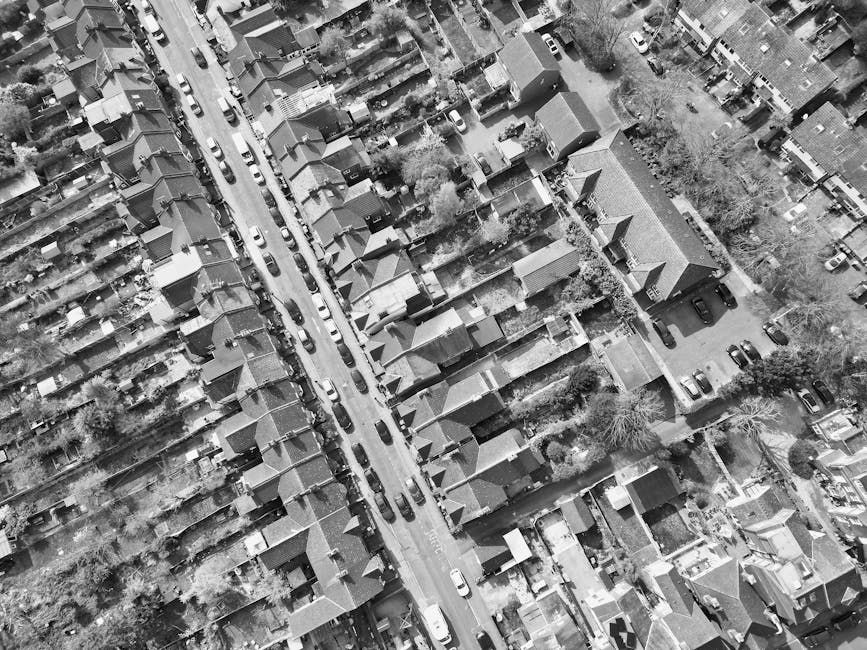
Harlesden gardener access problems and solutions for tight yards
If you live in Harlesden and your garden feels more like a narrow passage than a proper yard, you already know the problem: getting tools, waste bags, plants, and a gardener in and out can be the hardest part of the job. Harlesden gardener access problems and solutions for tight yards is not just a niche issue; it is the day-to-day reality of many back gardens, side returns, split-level spaces, and shared entrances across London. The good news? Tight access does not mean limited results. With the right planning, the right kit, and a bit of local know-how, even a cramped yard can be transformed without unnecessary disruption.
In this guide, we'll look at why access matters, how experienced gardeners work around awkward layouts, what to avoid, and which practical solutions actually make life easier. If you have ever wondered, "How on earth are they going to get that through here?" you are in the right place.
Table of Contents
- Why Harlesden gardener access problems and solutions for tight yards Matters
- How Harlesden gardener access problems and solutions for tight yards Works
- Key Benefits and Practical Advantages
- Who This Is For and When It Makes Sense
- Step-by-Step Guidance
- Expert Tips for Better Results
- Common Mistakes to Avoid
- Tools, Resources and Recommendations
- Law, Compliance, Standards, or Best Practice
- Options, Methods, or Comparison Table
- Case Study or Real-World Example
- Practical Checklist
- Conclusion
- Frequently Asked Questions
Why Harlesden gardener access problems and solutions for tight yards Matters
Access shapes almost every part of a garden job. If the gate is narrow, the path is uneven, the yard is boxed in by walls, or the only route runs through the house, the practicalities change fast. It affects timing, labour, safety, waste removal, plant handling, and even how tidy the finish looks.
For a tight Harlesden yard, poor access can create a chain reaction. A gardener may need smaller tools, more careful movement, and extra time just to set up. That does not mean the work becomes impossible. It does mean the plan has to be realistic from the start. A rushed assumption can lead to scratched walls, damaged paving, broken pots, or a garden left half-finished because the access route was never properly thought through. Nobody wants that. Not the customer, not the gardener.
Local gardens also vary more than people expect. Some are compact courtyards with nowhere to store waste. Others have long, thin side returns, steep steps, or a shared alley that gets cluttered with bins, bikes, and the occasional rogue plant pot. In places like this, good access planning is not a luxury. It is the difference between a smooth visit and a headache.
Expert summary: In tight yards, the quality of the access plan often matters as much as the gardening itself. Measure first, move carefully, and choose methods that fit the space rather than forcing standard routines into a difficult layout.
How Harlesden gardener access problems and solutions for tight yards Works
Working in a restricted garden is really about breaking the job into manageable stages. A professional gardener will usually begin by checking the route in, the route out, and the route for waste. That sounds simple, but in a compact yard it can change everything.
The process usually starts with a quick access assessment. This may happen over the phone, by photos, or in person if the garden is particularly awkward. The gardener looks for things like:
- gate width and opening direction
- steps, slopes, and trip hazards
- surface condition, such as loose slabs or muddy patches
- room to turn tools or wheelbarrows
- storage space for cuttings and debris
- shared access points or neighbour considerations
From there, the work method is adapted. For example, a large mower may be swapped for a smaller hand tool, bulky hedge trimmings may be bagged in stages, and clearance may happen in smaller loads rather than one big sweep. Sometimes, the best solution is simply to sequence the job differently: clear first, prune second, tidy last.
That sequencing matters. If a gardener cuts everything back before checking where the waste will sit, the yard can quickly become cluttered and awkward to move around in. If they clear the route first, they can work with much more freedom. Small thing, big difference.
In our experience, the best results come from matching the method to the space. Not the other way around.
Key Benefits and Practical Advantages
A well-planned access approach gives you more than convenience. It improves the quality of the work and reduces the chance of something going wrong halfway through.
- Less disruption: Narrow routes and cramped entrances are handled with care, so the job feels calmer and more controlled.
- Better finish: When tools fit the space, edges are neater, waste is removed properly, and the final tidy-up is more thorough.
- Lower risk of damage: Careful movement reduces the chance of scraping render, chipping paving, or bending fragile stems.
- Clearer pricing expectations: When access is discussed upfront, there are fewer surprises on the day. That is a relief for everyone.
- More realistic scheduling: Jobs in tight yards can take longer, but with the right plan, that extra time is built in from the start.
- Safer working conditions: Good access planning helps prevent awkward lifting, unstable footing, and rushed movements.
There is also a less obvious benefit: better communication. When the access route is mapped out early, the gardener and the customer are usually on the same page. That means fewer misunderstandings. Fewer awkward "oh, I thought you could get the mower through there" moments too.
Who This Is For and When It Makes Sense
This topic matters most if your garden has one or more of the following:
- a narrow side passage or alley
- an unusually small gate
- limited rear access from the street
- shared access with neighbours
- raised beds, steps, or split levels
- heavy planting that blocks movement
- little room for storage or waste piling
It also makes sense if you are booking a bigger visit such as clearance, hedge work, reshaping, or a seasonal tidy-up. Light maintenance may be possible with minimal fuss, but bigger jobs in tight yards need a bit more thought. A one-off clearance, for example, is much easier when the route has been planned for bags, branches, and cut material before the work starts.
Homeowners, landlords, tenants, and managing agents all run into the same issue in slightly different ways. A landlord might need the garden made presentable between tenancies. A tenant may want the space sorted without upsetting neighbours or causing mess in a shared hallway. A homeowner may just want the garden usable again without the process turning into a week-long operation. Fair enough, really.
If your garden is difficult to enter but still needs regular care, you may also want to look at garden maintenance for ongoing upkeep rather than waiting until the space gets out of hand. For one-off overgrown jobs, garden clearance can be a smarter starting point.
Step-by-Step Guidance
Here is a practical way to handle access problems in a tight yard, whether you are preparing for a gardener or organising the job yourself.
- Measure the access route. Check gate width, passage width, step height, and any tight corners. If a wheelbarrow or mower needs to pass through, measure with that in mind rather than guessing.
- Identify the safest route. It may not be the shortest route. Choose the path with the fewest trip hazards and the least chance of contact with walls, windows, or delicate planting.
- Clear the entry point first. Move bikes, bins, plant pots, shoes, tools, and anything else that narrows the route. Sounds obvious, but it makes a real difference.
- Break the job into phases. Decide what should happen first: waste removal, pruning, lawn work, or planting. In a tight yard, order matters more than usual.
- Use compact tools where needed. Smaller shears, folding saws, handheld blowers, and lightweight cutters can sometimes do the job more cleanly than bulky equipment.
- Manage waste in smaller loads. Bag cuttings progressively, stack them safely, and remove debris before it becomes a block in the middle of the yard.
- Protect surfaces. If needed, use boards or coverings in narrow routes to reduce wear on paving and thresholds.
- Finish with a final sweep-through. Check for stray cuttings, mud, soil spills, and anything left in corners. The corners are where mess likes to hide, annoyingly.
One small but important note: if access is especially tight, the first visit may be more about assessment and preparation than heavy work. That is not delay; it is good judgement. Better a measured start than a messy one.
Expert Tips for Better Results
When the space is awkward, the details matter. A few field-tested habits can make the whole thing smoother.
1. Take photos before the visit
Good photos of the gate, path, and garden entrance help a gardener judge access before arrival. Include the route, not just the garden itself. A nice wide shot of the flower bed is lovely, but it does not help much if the issue is the side passage.
2. Tell the gardener where the pinch points are
Do not assume they will spot every problem immediately. If one gate sticks, one slab wobbles, or a step is awkward to carry down, say so. That little bit of honesty saves time and keeps everyone safer.
3. Plan for waste before the cutting starts
In tight yards, waste is often the real bottleneck. A pile of hedge trimmings or clippings can block movement very quickly. A decent plan always includes where it will go and how it will leave the site.
4. Choose the right service mix
Sometimes the answer is not one big "do everything" visit. A tidy-up plus ongoing lawn mowing or hedge trimming can keep the space manageable without letting it become a yearly rescue mission.
5. Think about drainage and footing
Narrow yards often stay damp or shaded. Wet paving, moss, and uneven edges make access more awkward and more hazardous. A gardener who notices that early can adapt the setup before someone slips. Not glamorous, but crucial.
6. Use the smallest effective machine
Big tools are not automatically better. In fact, compact, portable equipment can often produce a cleaner finish in confined spaces because it is easier to control around walls, fencing, and planting.
Common Mistakes to Avoid
Restricted access jobs tend to go wrong in a few predictable ways. The tricky part is that each mistake looks minor at first.
- Assuming access is "fine" without measuring. "It should fit" is not a measurement. Sadly.
- Leaving clutter in the route. A narrow yard with bins, toys, and pots on both sides can become unsafe very fast.
- Booking the wrong kind of job scope. A basic tidy-up is not the same as a full clearance or reshaping visit.
- Ignoring waste logistics. If debris has nowhere to go, the working area shrinks by the minute.
- Using oversized tools for a compact space. This can waste time and increase the risk of damage.
- Not mentioning access problems in advance. The team may arrive ready for a straightforward garden and discover a far tighter reality.
One mistake deserves special mention: trying to save a bit of time by rushing the setup. In tight yards, rushing usually costs more time later. It's one of those annoying truths that keeps showing up.
Tools, Resources and Recommendations
You do not need a shed full of specialist kit to handle a small-access garden well. You do need the right basics.
- Measuring tape: Useful for gate widths, route gaps, and awkward clearances.
- Hand tools: Secateurs, loppers, pruning saws, and smaller shears are often better than oversized machinery.
- Heavy-duty bags or containers: These help keep cuttings contained and easier to move.
- Tarpaulins or protective covers: Helpful for staging waste or protecting walkways.
- Compact wheelbarrow or carrier: A full-size barrow is not always the best fit in tight side returns.
- Gloves and sturdy footwear: Basic, yes, but in a narrow yard you really notice the difference.
For homeowners wanting a broader overview of available work, the services overview page can help you see how different garden tasks fit together. If you are considering structural changes to improve movement, landscaping or landscape gardening may be worth exploring. And if your garden's access is being restricted by overhanging branches, tree lopping and removal can sometimes open up the space far more than people expect.
There is also a practical money angle. If a job needs extra planning or specialist handling, it is worth asking how the quote is structured. The pricing and quotes information can help set expectations before the work begins.
Law, Compliance, Standards, or Best Practice
For garden access work, the most important point is safety and reasonable care. In the UK, professional gardeners are generally expected to work in line with normal health and safety practice, use equipment appropriately, and avoid creating avoidable risk for themselves, the customer, or neighbours. That becomes especially relevant where access is narrow, uneven, or shared.
Good practice usually includes:
- checking access before moving heavy or awkward items
- using equipment suited to the space
- keeping routes clear of trip hazards where possible
- handling waste safely and not overloading bags or containers
- being careful around shared entrances, common areas, and neighbouring boundaries
Insurance matters too. If a tool catches a wall edge, a gate is damaged, or an item is dropped in a confined route, the working arrangement should be clear about responsibility and safety. It is sensible to review a provider's insurance and safety approach and, where relevant, their health and safety policy. If a business publishes an accessibility statement, that can also be a useful sign that it takes access considerations seriously, not just as an afterthought.
On the customer side, best practice is simple: be clear, be honest, and flag any obstacles before the visit. That avoids the awkward "I meant to mention the alley gate sticks" conversation five minutes after arrival.
Options, Methods, or Comparison Table
Different access problems call for different solutions. Here is a straightforward comparison of common approaches.
| Method | Best for | Strengths | Trade-offs |
|---|---|---|---|
| Small hand tools | Narrow gates, tiny courtyards, delicate borders | Precise, flexible, easy to carry | Slower for large overgrowth |
| Compact powered tools | Light-to-moderate maintenance in tight spaces | Efficient, still fairly manoeuvrable | May still be too bulky for some routes |
| Phased clearance | Overgrown yards with poor waste space | Reduces congestion, safer movement | Takes planning and sometimes longer on site |
| Protective route setup | Homes with fragile paving or tight thresholds | Helps reduce surface damage | Needs careful setup and tidy removal |
| Access-led landscaping | Repeated access problems or long-term layout issues | Can improve future usability | Usually more involved and more expensive |
To be fair, there is no magic option that fixes every tight yard. Most good outcomes come from combining two or three of these methods instead of relying on one. That is how real gardens work. Messy, layered, slightly stubborn. Rather like life, really.
Case Study or Real-World Example
Imagine a small Harlesden rear yard with a narrow side route, a slightly awkward gate, and a patch of overgrown planting that has crept into the walkway. The customer wants the space cleared, the hedge tidied, and the remaining beds made manageable again.
At first glance, it looks straightforward enough. But the route is tight, the paving is damp, and there is nowhere sensible to stack waste without blocking the passage. A rushed approach would mean constant back-and-forth movement, cuttings all over the place, and a higher chance of brushing walls or damaging pots.
Instead, the job is handled in stages. The access route is cleared first. Waste is bagged in smaller sections. The hedge work is done before the floor tidy-up, so clippings are not tracked back through the space. A compact tool set is used instead of larger equipment. The result is slower at the start, then much smoother by the end.
The customer ends up with a yard that feels bigger simply because it is easier to move through. That is the quiet win in tight-space gardening: not just making it look better, but making it usable. You notice it the moment you step outside with a cup of tea and realise you can actually walk the route without side-stepping bins or stems.
Practical Checklist
Use this checklist before booking or starting work in a narrow yard:
- Measure the gate and passage widths
- Photograph the access route from outside to garden
- Identify any steps, slopes, or loose paving
- Move bins, bikes, toys, and pots out of the way
- Confirm where waste can be staged and removed
- Explain any neighbour-shared access issues
- Say if there are delicate surfaces or fragile planting
- Choose maintenance, clearance, or landscaping based on the actual job
- Ask about safety, insurance, and the approach to awkward access
- Make sure the route is clear before work begins
Quick tip: if you are unsure whether your space is too tight, send photos and measurements first. That small step saves a surprising amount of hassle later.
Conclusion
Harlesden gardener access problems and solutions for tight yards are really about one simple idea: work with the space, not against it. Tight access does not have to mean compromise, delay, or a messy result. With realistic planning, the right tools, and a careful sequence of work, even the narrowest yard can be handled properly.
The best outcomes usually come from good communication, honest preparation, and a method that respects the limits of the space. That is true whether you need a one-off clear-out, regular upkeep, or a more considered garden redesign. And once the access problem is understood, the garden itself becomes much easier to enjoy. That's the bit people remember.
Get a free quote today and see how much you can save.
If you want a trustworthy next step, explore the team's about us page, review the recycling and sustainability approach, and use the contact us page when you are ready to talk through your garden's access points. Sometimes the simplest conversation is the one that gets the whole job moving.
Frequently Asked Questions
What counts as a tight yard for gardening access?
A tight yard is any space where standard movement is restricted by narrow gates, side passages, awkward corners, steps, or limited room to store tools and waste. It does not have to be tiny to be difficult.
Can a gardener still work if the gate is very narrow?
Often yes. The work may need smaller tools, a phased approach, or a different waste-handling method, but narrow gates do not automatically rule out garden work.
How should I prepare a small garden before the gardener arrives?
Clear the access route, move loose items out of the way, and share photos or measurements if the space is especially awkward. That helps the day run more smoothly from the start.
Does tight access make gardening more expensive?
It can, depending on how much extra time, care, or specialist handling is needed. The real cost driver is usually complexity rather than size alone.
What tools are best for narrow garden access?
Compact hand tools, smaller cutters, folding saws, and lightweight bags or carriers tend to work best. Bigger is not always better in a confined space.
Can garden clearance be done in a cramped yard?
Yes, provided the clearance plan accounts for where debris will sit, how it will be moved, and how the route will stay safe and usable during the job.
Should I mention access problems before booking?
Absolutely. The earlier the issue is flagged, the easier it is to plan the right approach and avoid delays or surprises on the day.
What if the yard can only be reached through the house?
That can still work, but it needs careful planning to protect floors, keep routes clean, and minimise disruption. It is best discussed in advance so everyone knows what to expect.
Is landscaping a better solution than regular maintenance for tight yards?
Sometimes. If the layout itself is causing repeated access issues, landscaping may improve the space long term. If the issue is mainly overgrowth, regular maintenance may be enough.
How do gardeners avoid damaging walls or paving in tight spaces?
They usually move slowly, use the right-sized tools, keep routes clear, and protect surfaces where needed. Careful staging makes a bigger difference than people often realise.
What should I ask before hiring someone for a small-access garden job?
Ask how they handle narrow access, what tools they use, how waste will be removed, and whether they are comfortable working in shared or restrictive routes. Straight answers are a good sign.
Where can I find more general service information?
The services overview page is a useful place to understand how different garden jobs fit together, especially if your access issue is part of a bigger garden project.